Blue Hole Dahab Tour: Complete 2026 Guide
The Blue Hole in Dahab is one of Egypt's most famous Red Sea attractions and a legendary destination for divers, freedivers, snorkelers, and adventure seekers.
Located north of Dahab on the Sinai coast, the Blue Hole combines spectacular underwater scenery with dramatic desert mountains and the crystal-clear waters of the Red Sea.
For visitors staying in Sharm El Sheikh, a Blue Hole Dahab tour offers the opportunity to explore a completely different side of the Sinai Peninsula.
Whether you want to admire the reef from the surface, try snorkeling, explore Dahab's famous diving sites, or continue to Ras Abu Galoum, this area offers an unforgettable day trip.
What Is the Blue Hole in Dahab?
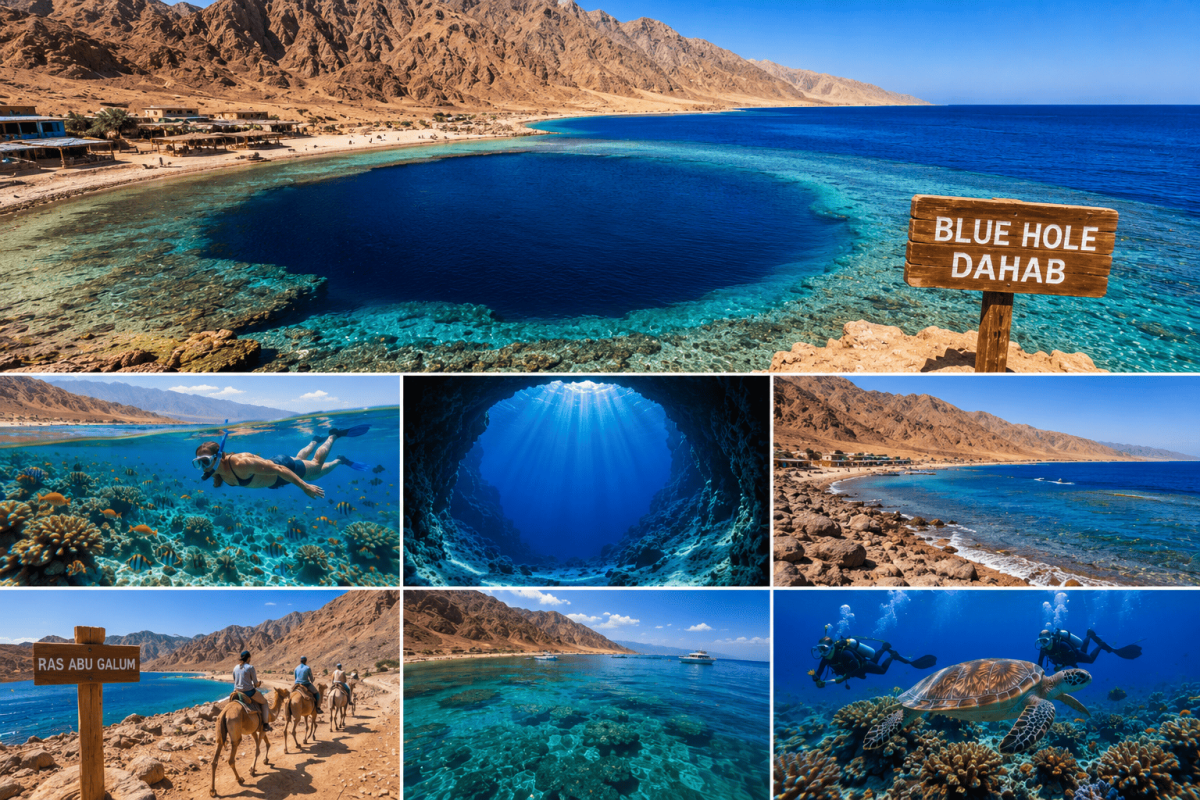
The Blue Hole is a large underwater sinkhole formed in the coral reef along the Dahab coastline.
It is approximately 70 meters wide and 80 meters deep, according to Egypt's official tourism platform.
The site is particularly famous among divers because of its dramatic underwater walls and the famous Arch, an underwater passage connecting the Blue Hole with the open sea.
However, diving through the Arch is not an ordinary recreational dive and requires advanced experience and appropriate training.
Why Is the Blue Hole So Famous?
The Blue Hole has become one of the most recognizable dive sites in Egypt because of its unusual underwater geology and spectacular marine environment.
The area offers:
- Crystal-clear Red Sea water
- Coral reefs
- Colorful reef fish
- Dramatic underwater walls
- The Bells entry
- The famous Arch
- Nearby desert mountains
- Access to Ras Abu Galoum
Dahab itself is also well known for its easily accessible shore diving, with many dive and snorkeling sites located close to land.
Blue Hole from Sharm El Sheikh
Travelers staying in Sharm El Sheikh can visit Dahab as a day excursion.
A typical organized trip may include:
- Hotel pickup in Sharm El Sheikh
- Drive toward Dahab
- Visit to the Blue Hole
- Time for snorkeling or sightseeing
- Visit to Ras Abu Galoum
- Bedouin-style lunch or meal, depending on the tour
- Free time in Dahab
- Return to Sharm El Sheikh
The exact itinerary depends on the tour operator and the activities included.
Diving at the Blue Hole
The Blue Hole is internationally recognized as a major diving destination.
The area can accommodate different types of diving experiences, but the specific route and depth must match the diver's certification and experience.
PADI currently lists the Blue Hole as a shore-entry dive site and notes that certain routes require advanced-level training.
For recreational divers, guided dives can focus on the reef environment without attempting technically demanding sections.
The Bells
The Bells is a natural crack or chimney in the reef located near the Blue Hole.
Divers can descend through the narrow opening and reach the reef wall before continuing along the underwater landscape.
The Bells is commonly associated with Blue Hole diving routes and is one of the area's most recognizable underwater features.
Because of depth, entry conditions, and underwater navigation, divers should only follow routes appropriate for their training and experience.
The Blue Hole Arch
The famous Arch is an underwater passage connecting the Blue Hole with the open sea.
It is one of the features that made the site legendary among technical divers and freedivers.
However, this is not an attraction that ordinary tourists should attempt to swim through.
The Arch requires advanced diving skills, appropriate training, experience, and careful planning. PADI specifically identifies advanced-level training as useful for the site.
For most visitors, enjoying the Blue Hole's reef from a safe snorkeling area or taking a properly guided recreational dive is the better choice.
Snorkeling at the Blue Hole
You don't need to be a certified diver to enjoy the Blue Hole area.
Snorkelers can explore parts of the reef from the surface and enjoy the clear water and marine environment.
The official Egyptian tourism site confirms that snorkeling is accessible at the Blue Hole.
Snorkeling is a great option for:
- Families
- Beginners
- Non-divers
- Couples
- Travelers who want a relaxed experience
Marine Life
The Red Sea around Dahab is known for its rich marine environment.
Depending on the location and conditions, visitors may encounter:
- Colorful reef fish
- Butterflyfish
- Angelfish
- Parrotfish
- Lionfish
- Moray eels
- Rays
- Sea turtles
Marine life sightings are natural and cannot be guaranteed.
The wider Red Sea region is home to more than 300 coral species and over 1,000 fish species, according to Egypt's tourism authority.
Ras Abu Galoum Protectorate
One of the best ways to make a Blue Hole excursion more interesting is to combine it with a visit to Ras Abu Galoum Protectorate.
The protected area lies north of the Blue Hole and features:
- Mountains
- Coral reefs
- Desert landscapes
- Bedouin culture
- Snorkeling
- Diving
- Hiking
- Camel rides
Egypt's official tourism platform describes Ras Abu Galoum as a protected area with internationally known dive sites and coral reefs.
Blue Hole and Ras Abu Galoum Tour
A combined Blue Hole and Ras Abu Galoum excursion can be an excellent choice for travelers who want both underwater and desert experiences.
Depending on the itinerary, you may:
- Visit the Blue Hole
- Go snorkeling
- Ride a camel
- Travel through the desert
- Visit a Bedouin area
- Enjoy a traditional meal
- Explore the coastline
- Visit the Blue Lagoon
This creates a full-day experience rather than simply visiting one attraction.
Blue Lagoon
The Blue Lagoon is another beautiful natural attraction in the Dahab and Ras Abu Galoum area.
It is known for its clear water, sandy surroundings, and remote atmosphere.
The area is particularly attractive to travelers looking for:
- Relaxation
- Photography
- Swimming
- Desert scenery
- Quiet beaches
- Nature experiences
A Blue Hole and Ras Abu Galoum itinerary may include the Blue Lagoon depending on the package.
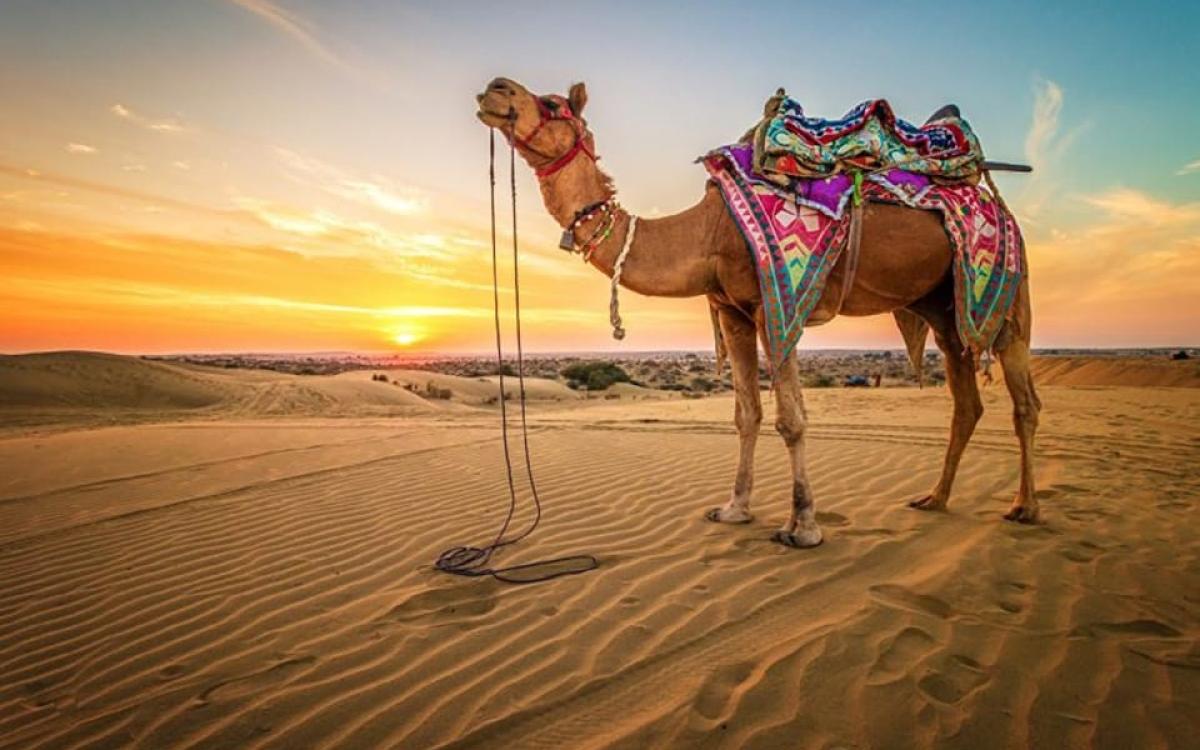
Camel Ride to Ras Abu Galoum
Camel transportation is one of the traditional ways visitors explore parts of the area.
A camel ride can provide a completely different perspective of the Sinai landscape.
Travelers can enjoy:
- Desert mountains
- Coastal scenery
- Bedouin culture
- Traditional transportation
- Photography opportunities
For visitors looking for an authentic Sinai experience, combining the Blue Hole with a camel ride can be a memorable option.
Is the Blue Hole Suitable for Beginners?
Yes, but it is important to distinguish between visiting the Blue Hole and deep or technical diving at the Blue Hole.
Beginners can:
- Visit the location
- Enjoy the scenery
- Snorkel in appropriate areas
- Take part in properly supervised introductory experiences where offered
Advanced diving routes and the Arch are completely different and should only be attempted by appropriately trained and experienced divers.
Safety should always come before adventure.
What Should You Bring?
For a Blue Hole Dahab day trip, bring:
- Comfortable clothes
- Swimwear
- Towel
- Sunscreen
- Sunglasses
- Hat
- Comfortable shoes
- Waterproof phone case
- Camera
- Extra water
- Personal medication if needed
If you plan to dive, bring your certification card when required by the diving operator.
Best Time to Visit the Blue Hole
The Blue Hole can be visited throughout the year.
Spring and autumn are particularly comfortable for combining outdoor activities with sightseeing.
Summer offers warm water and long sunny days but can be very hot on land.
Winter can be pleasant during the daytime, although mornings and evenings may feel cooler.
Sea conditions and weather should always be considered when planning diving and snorkeling activities.
Blue Hole from Sharm El Sheikh or Dahab?
Both options have advantages.
From Sharm El Sheikh
A day trip is convenient for travelers staying in Sharm El Sheikh who want to explore Dahab without changing hotels.
From Dahab
Staying in Dahab allows you to spend more time exploring the local diving and snorkeling sites.
Dahab has numerous dive and snorkeling locations, many of which are easily accessible from shore.
Blue Hole vs Ras Mohammed
Both destinations offer excellent Red Sea experiences, but they are very different.
Ras Mohammed is particularly famous for coral reefs, boat trips, snorkeling, and diving.
Blue Hole Dahab is famous for its unique underwater formation, diving culture, nearby desert landscapes, and access to Ras Abu Galoum.
If you have enough time during your Egypt holiday, experiencing both can provide two very different perspectives of the Red Sea.
Safety Tips for Visiting the Blue Hole
Safety is particularly important when diving at a site with significant depth and challenging underwater features.
Always:
- Follow your instructor or dive guide.
- Stay within your certification limits.
- Never attempt the Arch without the required training and experience.
- Use properly maintained equipment.
- Check sea conditions.
- Never dive alone.
- Respect local regulations.
- Avoid touching coral and marine life.
If you're a beginner, choose a professionally supervised experience rather than attempting advanced diving routes.
How to Choose a Blue Hole Tour
Before booking, check:
Transportation
Confirm whether hotel pickup and return are included.
Activities
Some tours focus on sightseeing and snorkeling, while others include diving, camel rides, or Ras Abu Galoum.
Meals
Check whether lunch or drinks are included.
Guide
For diving activities, make sure the operator provides qualified instructors or guides.
Group Size
Smaller groups may provide a more comfortable and personalized experience.
What's Included
Always check whether entrance fees, equipment, transportation, and activities are included in the advertised price.
Frequently Asked Questions
Is the Blue Hole in Dahab worth visiting?
Yes. It is one of the most famous natural and diving attractions on Egypt's Red Sea coast and offers spectacular scenery above and below the water.
Can I visit the Blue Hole from Sharm El Sheikh?
Yes. It can be visited as a day excursion from Sharm El Sheikh.
Can beginners snorkel at the Blue Hole?
Yes. Snorkeling is possible in appropriate areas, making the location accessible even to non-divers.
Do I need a diving certificate?
You don't need a diving certificate simply to visit or snorkel. Certification requirements depend on the specific scuba diving activity.
Can beginners dive at the Blue Hole?
Some supervised introductory experiences may be available, but deeper and more technical routes require appropriate certification and experience.
Can I visit Ras Abu Galoum on the same day?
Yes. Many excursions combine the Blue Hole with Ras Abu Galoum and other nearby attractions.
How far is the Blue Hole from Dahab?
The Blue Hole is located north of Dahab on the Sinai coast. Exact travel time depends on the starting point and transportation method.
Conclusion
A Blue Hole Dahab tour is one of the most exciting excursions you can take from Sharm El Sheikh. The combination of spectacular Red Sea scenery, coral reefs, snorkeling, diving, desert mountains, and Bedouin experiences makes the journey much more than a simple sightseeing trip.
For divers, the Blue Hole offers a legendary underwater environment, while snorkelers and non-divers can enjoy the reef and surrounding scenery without attempting advanced dives.
Combining the Blue Hole with Ras Abu Galoum, a camel ride, or the Blue Lagoon can turn the visit into a complete Sinai adventure.
Choose a professional tour operator, follow safety instructions, respect the marine environment, and enjoy one of the most iconic destinations on Egypt's Red Sea coast.
Related Posts
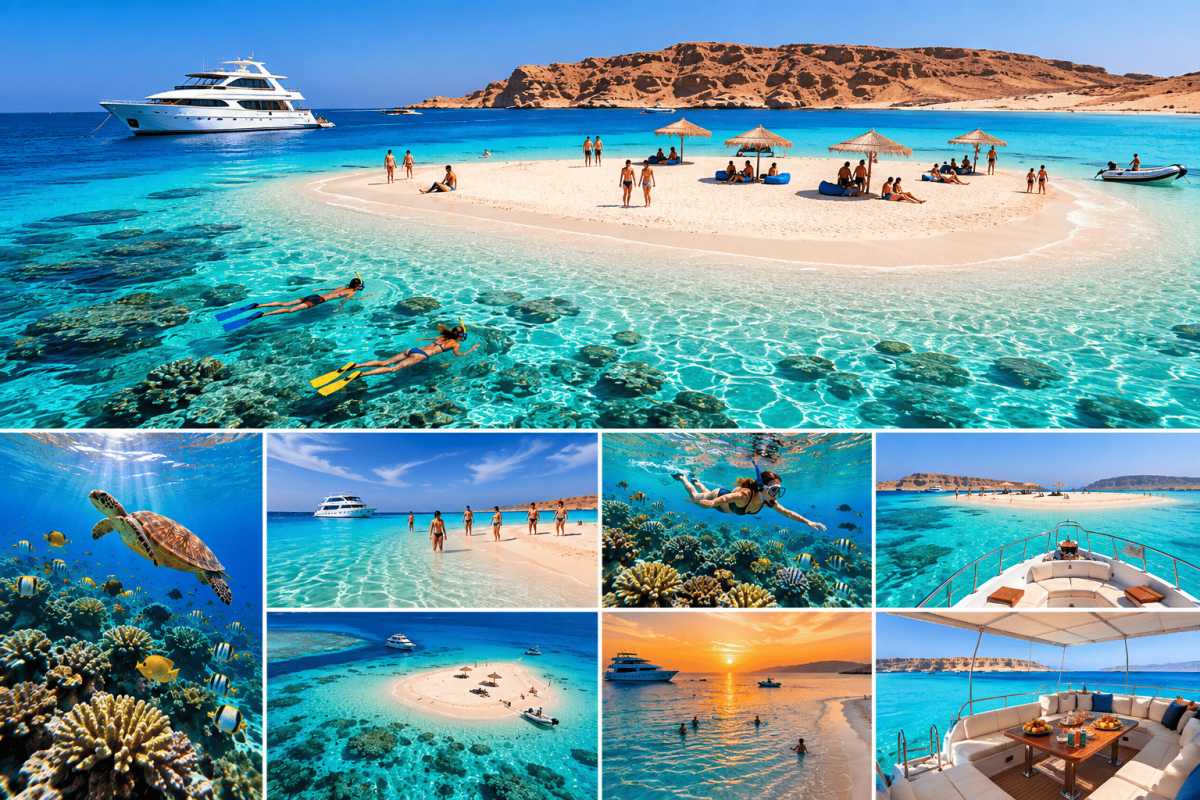
Discover White Island in Sharm El Sheikh, with snorkeling, swimming, boat trips, turquoise waters, and stunning Red Sea scenery.

Discover the glass bottom boat trip in Sharm El Sheikh. Learn how it works, what you can see, best time to go, and why it’s perfect for families.
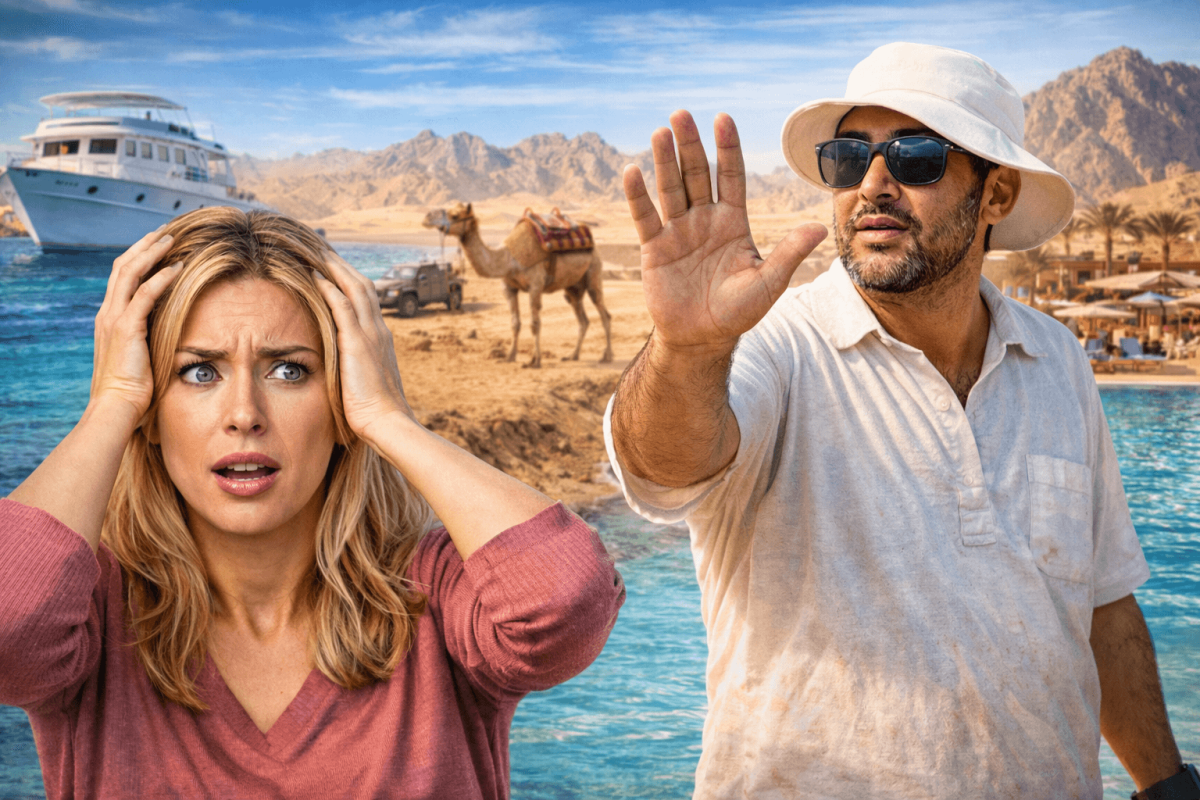
A clear and honest guide explaining how safe Sharm El Sheikh is for tourists and how to enjoy your trip with confidence.

Discover the dolphin show in Sharm El Sheikh, one of the most popular family attractions. Learn what to expect
Share This Post
Related Tours


Sharm el Sheikh
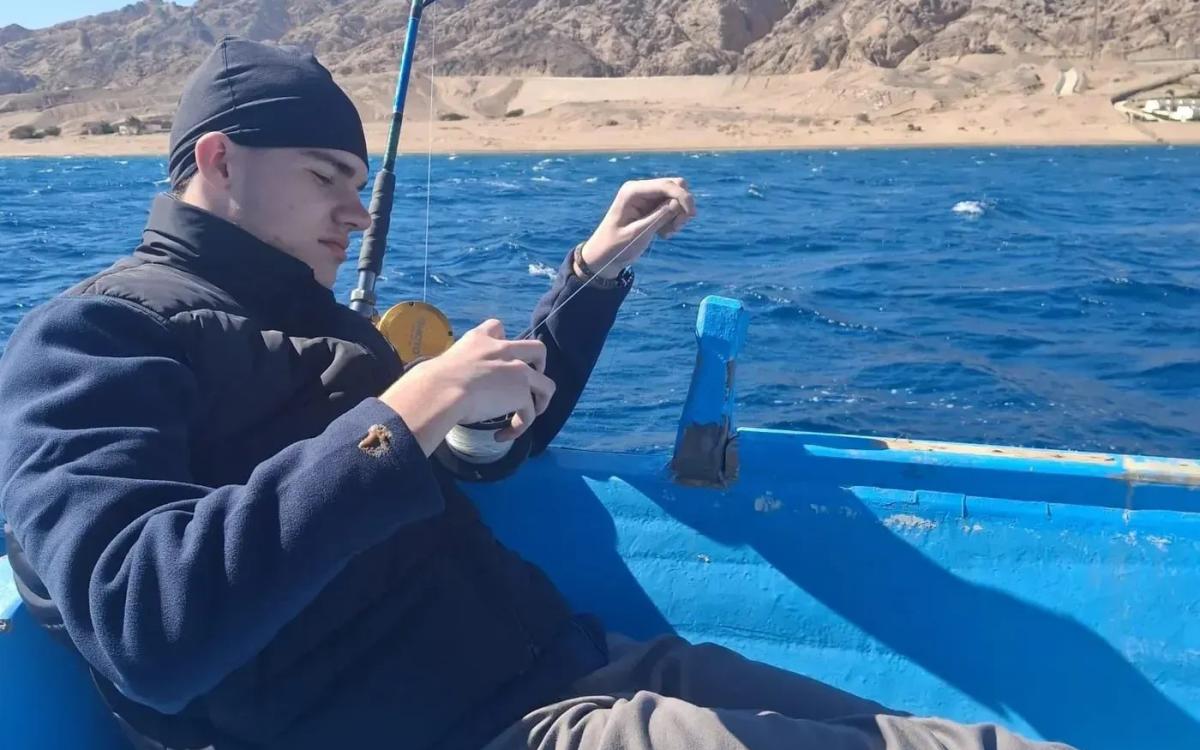
Private Fishing Trip in Sharm El Sheikh – Red Sea Fishing Experience£ 60
Explore Now
Sharm el Sheikh
Ras Mohamed National Park by Bus – Half Day Snorkeling- 5 (1)
£ 20 £ 35
Explore Now